Avoid These Tattoo Aftercare Mistakes to Keep Your Ink Looking Fresh
Getting a tattoo is exciting, but taking care of it afterward is just as important. Proper aftercare can mean the difference between a vibrant masterpiece and one that fades or gets infected. Let's dive into common mistakes people make after getting a tattoo, why they matter, and how you can protect your new art. We'll also look at some of the latest trends in tattoo aftercare and share expert advice on avoiding complications.
If you're after some professional advice beyond this article, our team at Here Tattoo Shop offers in-studio aftercare tips and recommended products for every style, from delicate fine line tattoos to bold realism pieces. For a quick reference on how we suggest caring for fresh ink, check our aftercare page and bring any questions to your artist when you book your appointment. According to a summary from a major health provider, about 5% of tattoo recipients report infections, and up to 10% experience short-term complications. For more on the medical perspective, see UCLA Health on tattoo complications.
Understanding the Tattoo Healing Process
Immediate Stage: First 0–3 Days
The first 72 hours after getting a tattoo are crucial. Your skin starts to heal, and a protective barrier forms. The area will feel tender, slightly swollen, and might ooze plasma or ink. Follow your artist's instructions, which usually include leaving a sterile bandage on for a few hours, then gently washing the area. Overhandling or using anything but clean hands and mild soap can lead to contamination.
To minimize issues during this stage, gently clean the area 2–3 times a day with fragrance-free soap and lukewarm water, pat dry with a clean towel, and apply a thin layer of tattoo-specific balm. Avoid soaking in baths, pools, or hot tubs, and keep the fresh tattoo out of direct sunlight.
Short-Term Stage: Weeks 1–2
In weeks one and two, your tattoo will peel, flake, and form scabs as the deeper layers of skin repair themselves. It's normal for the tattoo to look dull during peeling; this clears up once the top layer restores. The key here is to resist picking at scabs, avoid heavy creams, and keep the tattoo clean and protected from dirt. Doing the opposite can damage your new ink.
Keep an eye on your tattoo for any signs of trouble. Clean it gently, use light moisturization as needed, and wear loose clothing to prevent rubbing. Seek advice if you notice increasing redness, spreading warmth, or unusual discharge.
Long-Term Stage: Months After Tattooing
Even after your tattoo looks healed on the surface, the deeper skin layers are still settling for several months. Long-term care focuses on protecting pigment and skin health: regular moisturizing, sun protection, and avoiding harsh chemicals will keep your tattoo sharp. Consider touch-ups only after three to six months, once healing is complete.
Regular skin care, including hydration and SPF, extends the life of your tattoo. If you're unsure about when your tattoo is ready for a touch-up or any skin treatments, consult your tattoo artist at Here Tattoo Shop or a dermatologist.
Common Aftercare Mistakes and Their Impact
Overwashing or Using Harsh Soaps
A common mistake is overwashing the tattoo or using harsh soaps. Fragranced soaps can strip the skin’s natural oils and dry out the tattoo, slowing healing. Experts recommend cleaning the tattoo gently 2–3 times daily with a mild, fragrance-free soap to remove bacteria without disrupting healing. Washing more than recommended might cause irritation.
Choose a pH-balanced, hypoallergenic cleanser and avoid abrasive cloths or chemical exfoliants. If you need to wash more because of sweat or dirt, a gentle rinse should be enough — just pat dry and use a thin layer of aftercare balm.
Over-Moisturizing and Using Heavy Ointments
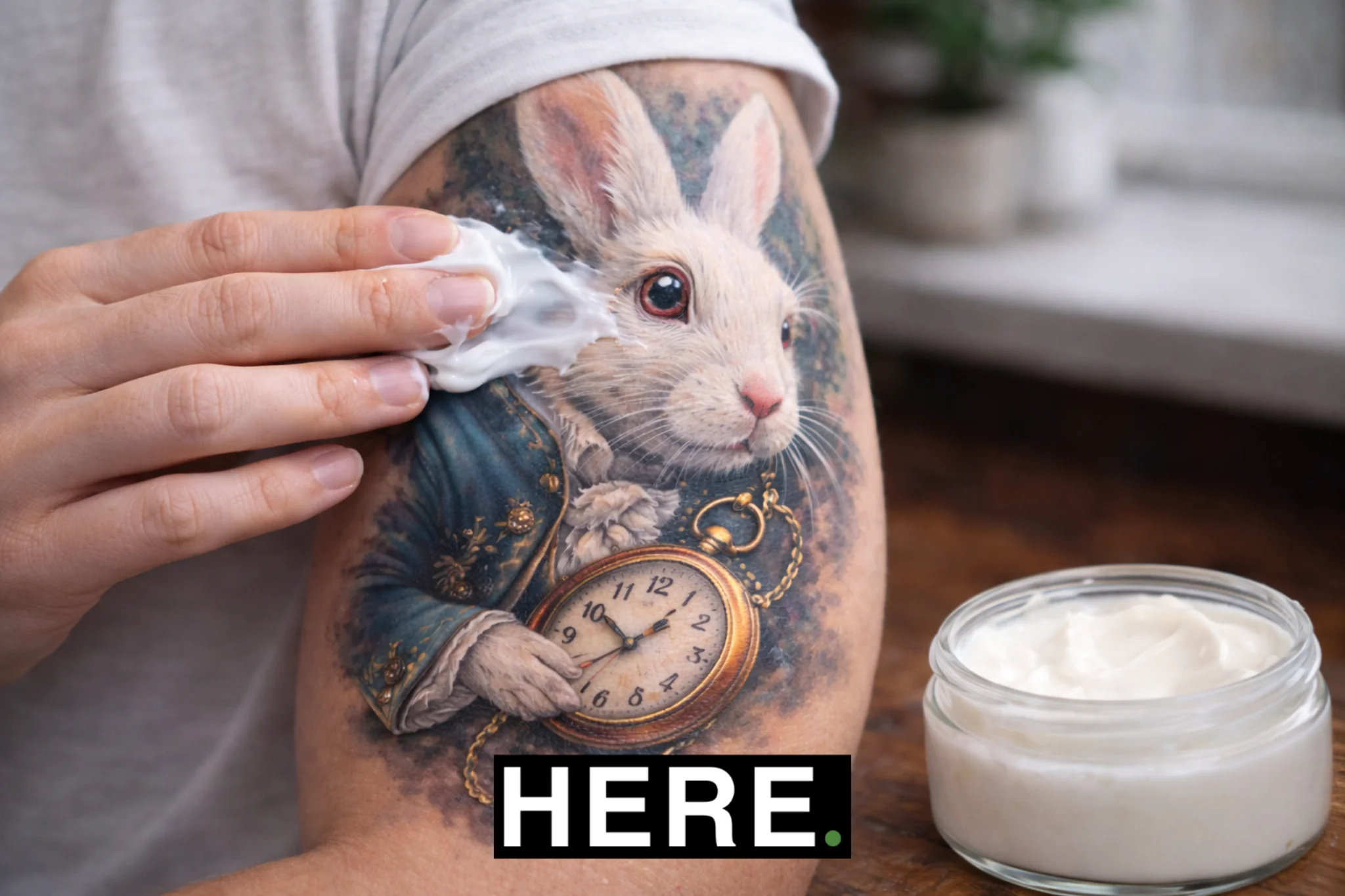
Putting on too much ointment is another common mistake. Thick layers of petroleum-based ointments can clog pores and trap bacteria, increasing infection risk. The best approach is a thin layer of a tattoo-specific balm or light moisturizer — just enough to prevent flaking but not so much that the skin stays greasy.
Modern aftercare trends favor specialized balms without additives that cause irritation. Look for transparent ingredient lists and avoid products with unnecessary additives. If you’re unsure what to use, ask your tattoo artist or check our tattoo aftercare page for tips.
Picking Scabs, Peeling Skin, and Scratching
Scabbing and peeling are natural, but picking at them can lead to scarring and loss of pigment. Disturbing healing skin can result in uneven pigment retention. Picking also increases infection risk as it breaks down the skin barrier and introduces bacteria.
Manage itchiness with preventive measures: keep the area lightly moisturized, wear loose clothing, and use cool compresses for relief. If itchiness is intense or redness spreads, consult your artist or a medical professional.
Spotting Infections and Complications
Tattoo Infection Frequency
Tattoo complications aren't common, but they do happen. About 5% of people may develop an infection, and 10% experience short-term issues like allergic reactions or prolonged redness. Knowing the baseline risk helps you interpret symptoms. Mild redness and tenderness are normal, but look out for increasing pain, redness, swelling, fever, or pus. If these occur, seek medical attention.
Recognizing Infection and Allergic Reactions
An infected tattoo might show increasing pain, warmth, and redness, with fluids that are thick, yellow, or green. Allergic reactions can show as redness, bumps, or a rash lasting beyond the healing period. If you suspect an allergic reaction, avoid additional topical products and consult your tattoo artist and dermatologist.
For detailed advice, see the Mayo Clinic’s guidance on skin infections and wound care: Mayo Clinic.
Common Infection Causes: Ink, Tools, and Aftercare
Infections can come from contaminated inks or tools, but often they arise from lapses in aftercare. Unwashed hands, reused bandages, or soaking the tattoo in dirty water are frequent causes. Professional studios follow strict protocols to prevent this; follow aftercare directions carefully at home.
If you're unsure about any step, call your artist for clarification. At Here Tattoo Shop, we review aftercare with clients and encourage questions during healing.
Protecting Your Tattoo from Sun Damage
Sun Exposure Risks
UV rays break down tattoo pigments and cause fading. Sun protection is key for any tattoo, especially fresh ones. UV exposure can irritate healing skin and lead to uneven color retention.
During healing, keep the tattoo covered with clothing and avoid direct sunlight. Once healed, use broad-spectrum SPF 30 or higher to protect pigment and skin.
Sunscreen and Physical Barriers
Choose sunscreens for sensitive skin that are fragrance-free. Physical barriers like hats and long sleeves add protection without chemical irritation. For fresh tattoos, use fabrics that don’t rub or stick to the area.
Apply sunscreen to cover the tattoo fully and reapply every two hours in sunlight. For extended outdoor activity, combine sunscreen with physical coverage.
Dealing with Sunburn
If a new tattoo gets sunburned, cool and hydrate the skin while avoiding further exposure. Cool compresses and gentle moisturizing can help, but seek medical advice if blistering or severe pain occurs. Prevention is best — protect tattoos in sunny weather.
For a deeper understanding of UV effects, see resources from public health and dermatology organizations. Regular UV protection preserves color and promotes skin health.
Choosing the Right Products for Aftercare
Why Tattoo-Specific Balms Are Popular
Recently, there's been a shift toward using tattoo-specific balms over generic lotions. These balms support skin regeneration with minimal irritants. Artists and clients report better comfort and fewer issues with these products.
Look for clear ingredient lists and avoid unnecessary additives. Apply sparingly for protection without clogging pores. If unsure, ask your tattoo artist for a recommendation.
Ingredients to Avoid
Avoid aftercare products with fragrances, alcohol, essential oils, and heavy occlusives. Even 'natural' ingredients can cause reactions, so choose hypoallergenic and non-comedogenic products. Reading labels and doing a patch test can help detect sensitivities.
Default to simple, clinical-grade options and consult artists for brand-specific guidance.
How Tattoo Shops Help
Shops that offer recommended aftercare products and clear instructions improve client outcomes. A thoughtful aftercare kit — including balm, instructions, and a healing timeline — reduces confusion. Artists who explain each step encourage compliance and reduce complications.
At Here Tattoo Shop, we offer personalized aftercare advice and curated products to suit different skin types and styles. Whether it's a fine line piece or an elaborate realism tattoo, we tailor recommendations to protect your design and skin.
Easy Aftercare Routine: Step by Step
Day 0–3: Immediate Care
After your session, keep the studio-applied bandage on for the recommended time. Remove it, then wash your hands before cleansing. Gently wash the tattoo with lukewarm water and mild soap, pat dry, and apply a thin layer of balm. Repeat this gentle cleaning 2–3 times daily, and avoid rough contact or prolonged water exposure.
Avoid heavy exercise, soaking in water, and wear loose clothing to prevent friction. Use specific products as instructed and reach out if something feels off.
Week 1–2: Peeling and Scabs
During the first two weeks, the tattoo will scab and peel. Continue gentle washing and apply balm when the skin feels dry, not on a fixed schedule. Resist picking or peeling skin; keep the area lightly moisturized and let it shed naturally. Avoid tight clothing or abrasive fabrics to protect new tissue.
Monitor healing and document changes with photos if you plan a touch-up. Contact your artist or seek advice if you see increasing pain, redness, or unusual discharge.
Weeks 3–12: Long-Term Care
By week three to twelve, surface healing is complete, but deeper layers continue settling. Move to regular moisturizing and strong sun protection to preserve color. Apply SPF 30+ sunscreen to exposed tattoos when outdoors, and consider touch-ups only after full settling.
Long-term care includes avoiding aggressive exfoliation and chemical treatments without professional guidance. Consult both your tattoo artist and clinician for safe timing and methods for cosmetic procedures near tattooed areas.
Troubleshooting and FAQs
Suspecting an Infection
If you suspect an infection — marked by increasing pain, warmth, redness, fever, or discharge — seek medical attention promptly. Early treatment, often with antibiotics, lowers damage risk. Avoid self-prescribing antibiotics and keep the area clean and dry until evaluated.
Document with photos and consult your healthcare provider or artist. If confirmed, follow directions closely and notify your artist for future touch-up timing.
Exercise, Swimming, and Daily Activities
Light exercise is usually safe soon after getting a tattoo, but avoid heavy workouts that cause sweating or friction on the tattooed area in the first 1–2 weeks. Avoid swimming until fully healed to reduce infection risk.
Everyday activities like showering and light lifting are fine, provided you keep the area clean. Plan your schedule around healing needs to preserve your tattoo’s look.
Touch-Ups and Cover-Ups
Once healing is complete, often after three to six months, consider touch-ups for uneven color or lost pigment. If unhappy with the healed look, professional cover-ups can refresh the design. Our artists provide custom solutions for touch-ups and cover-ups.
For transformative options, explore our cover-up expertise or schedule a consultation. Contact the studio for timing or suitability for a touch-up or cover-up. Learn more about services on our tattoo cover-up page.
More Resources and Tips
Reliable information helps with smart aftercare choices. For medical perspectives on complications, consult established sources. In addition to UCLA and Mayo Clinic references, find background on tattoos on Wikipedia’s entry: Tattoo — Wikipedia.
Your tattoo artist is key in the healing process; they know your piece's specifics and can tailor aftercare. If ever in doubt about healing, reach out for advice sooner rather than later to avoid complications.
Conclusion: Your Tattoo Deserves Care
Tattoos are personal expressions and deserve careful aftercare to look their best long-term. Avoid common pitfalls like overwashing, over-moisturizing, picking scabs, sun exposure, and using unsuitable products. Follow a simple routine: gentle cleansing, thin balm layers, protective clothing, and lifelong sun protection to preserve color and clarity.
If you’d like expert support, product recommendations, or a personalized aftercare plan for your tattoo, the artists at Here Tattoo Shop are ready to help. Book a consultation for custom design work, aftercare guidance, or touch-up planning. Whether you’re getting a fresh piece or considering a custom tattoo design, we’ll ensure your ink heals and looks great for years. Call us at (585) 456-1073 or email info@heretattoo.com for appointments and questions. Visit our studio at 70 McGuinness Blvd S, Brooklyn, NY 11222 to speak with an artist in person and pick up recommended products.
Take care of your skin, and it will take care of your tattoo. Protect your art and enjoy it for a lifetime — and if you ever need help, we’re here for you every step of the way.
Further reading & references: UCLA Health on tattoo complications, Mayo Clinic wound care resources, and general background from Wikipedia supported clinical context and statistics referenced in this article.