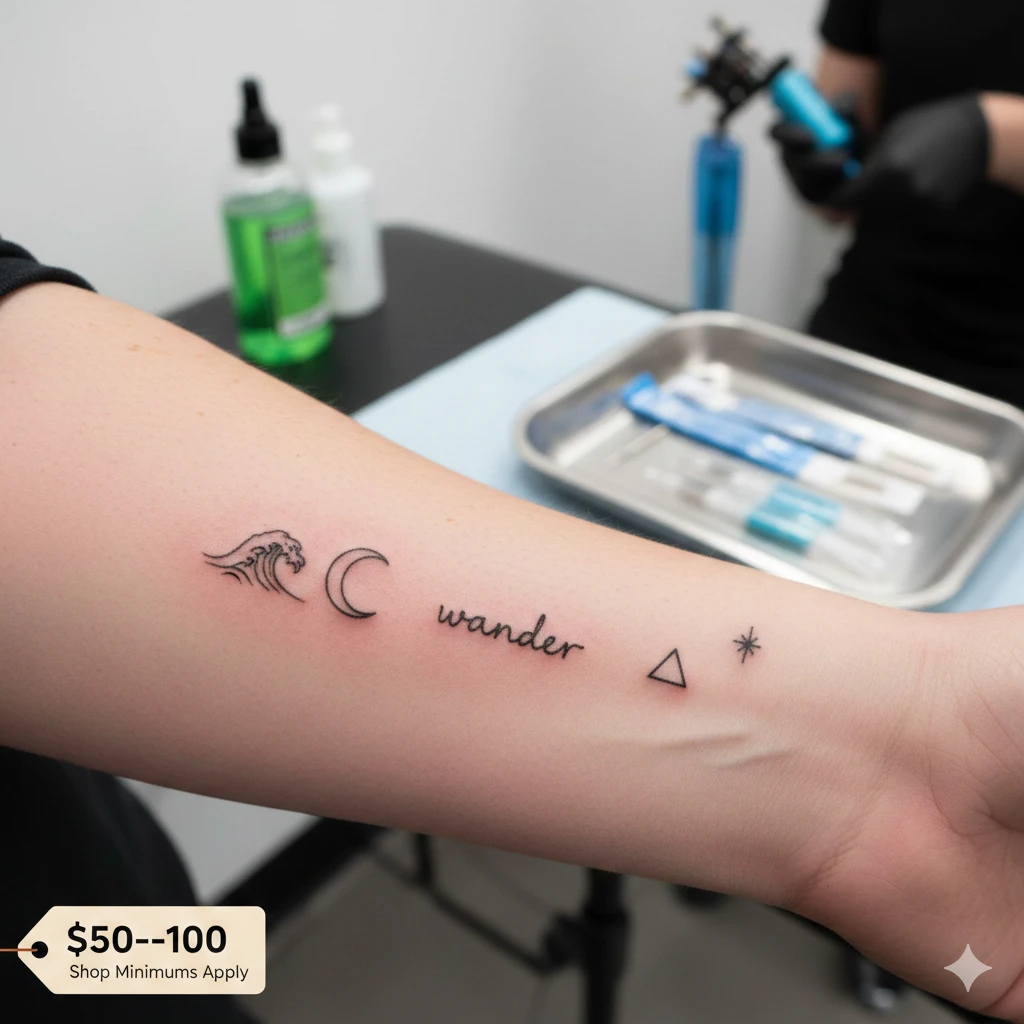
Getting your first tattoo doesn't have to drain your wallet. The cheapest tattoos typically range from $50 to $100 for small, simple designs like minimalist symbols, tiny text, or basic line work—though prices vary based on your location, the artist's experience, and shop minimums. Understanding what influences tattoo pricing helps you make smart decisions without sacrificing quality or safety.
Budget matters, but so does the permanence of what you're putting on your skin. Choosing the cheapest option without considering artist skill, shop hygiene, or design complexity can lead to regret, health risks, or costly cover-ups down the road.
This guide breaks down realistic pricing for budget-friendly tattoos, what affects cost, where you can save money safely, and how to work with your artist to get quality ink that fits your budget and vision.
Understanding Tattoo Pricing Basics
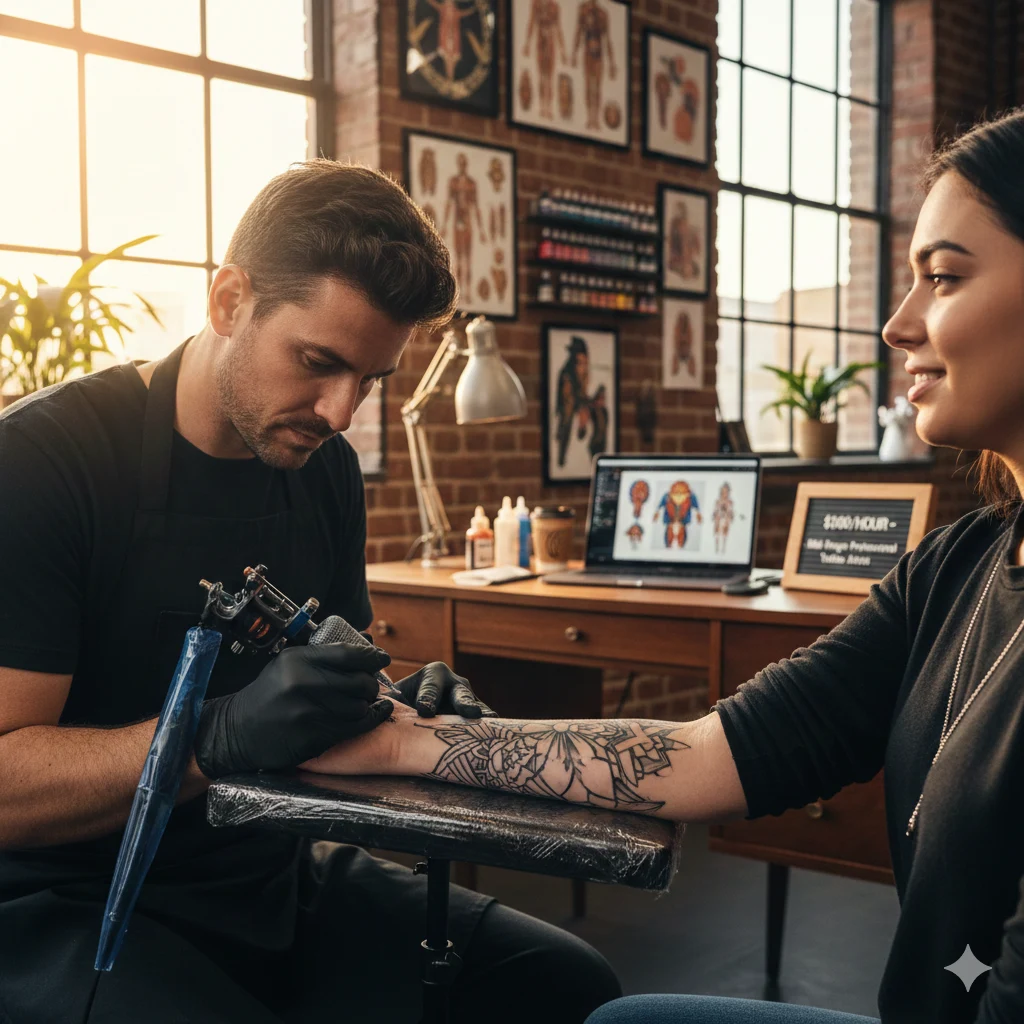
Tattoo pricing isn't arbitrary—it reflects the artist's time, skill, overhead costs, and the complexity of your design. Most shops operate on either hourly rates or flat fees for smaller pieces.
Hourly rates typically range from $100 to $250 per hour, depending on the artist's experience and geographic location. Established artists in major cities like Brooklyn command higher rates than apprentices in smaller towns. A simple design might take 30 minutes, but you'll likely pay the shop minimum.
Shop minimums are the baseline charge regardless of tattoo size, usually $50 to $150. This covers the artist's setup time, equipment sterilization, and basic materials. Even a tiny dot requires the same sanitation protocols as a larger piece.
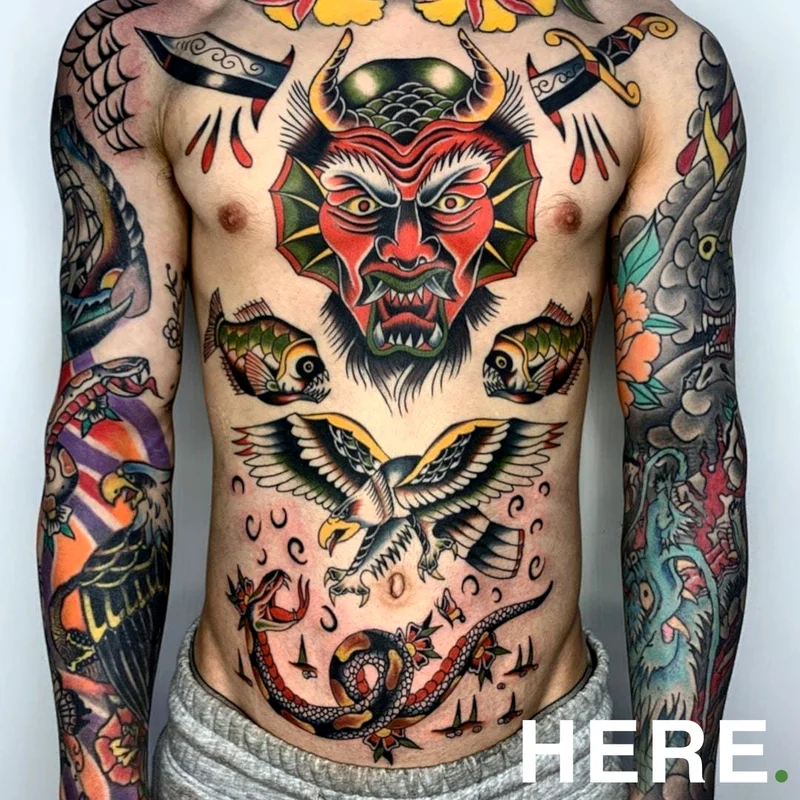
Size and complexity directly impact cost. A quarter-sized simple design costs significantly less than a palm-sized piece with intricate details. Black ink line work is faster and cheaper than color work with shading, which requires multiple needle passes and more time.
Placement affects pricing too. Easy-to-access areas like forearms or calves work faster than ribs, hands, or behind the ear, where skin texture and pain levels slow the process. Some artists charge more for difficult placements.
Artist experience level creates the widest price variation. Apprentices and newer artists charge $50 to $100 per hour while building portfolios. Mid-level artists with 3-5 years experience charge $100 to $150. Renowned artists with waitlists can charge $200 to $300+ per hour.
Geographic location matters substantially. A small tattoo in Brooklyn might cost $150 minimum, while the same design in a rural area could be $75. Urban shops have higher rent, larger teams, and greater demand.
What You Can Get for $50-$100
The $50 to $100 range opens several legitimate options for quality small tattoos, especially if you're flexible on design complexity and artist selection.
Tiny symbols and icons work perfectly in this budget. Think small hearts, stars, arrows, minimalist mountains, or simple geometric shapes under one inch. These take 15 to 30 minutes and use minimal ink. A small crescent moon, basic cross, or tiny anchor fits comfortably in most shop minimums.
Single-word text tattoos in simple fonts are budget-friendly. A name, date, or short word in basic lettering takes minimal time. Avoid elaborate scripts or multiple words, which increase complexity and time. Stick to clean, readable fonts without heavy embellishment.
Basic line work designs offer clean, modern aesthetics at lower costs. Simple outlines of small animals, minimalist plant stems, basic wave patterns, or single-line continuous drawings work well. These rely on precise line work rather than time-intensive shading.
Small traditional flash designs from the shop's pre-drawn collection often come at discounted rates. Classic designs like small roses, daggers, swallows, or anchors are optimized for quick execution. Artists can complete these efficiently since they've done them repeatedly.
Stick-and-poke style tattoos from artists who specialize in hand-poked methods sometimes cost less than machine work. The aesthetic is intentionally simple and slightly imperfect, which suits certain design styles. Not all shops offer this, but it's worth asking.
Apprentice work provides the best value if you're comfortable with less experience. Many reputable shops let apprentices take smaller projects at reduced rates under supervision. You get professional equipment and sanitation with a developing artist building their portfolio.
Walk-in specials and flash days offer pre-designed tattoos at fixed, reduced prices. Shops run these promotions during slower periods or themed events. You'll choose from available designs rather than custom work, but quality remains professional.
Factors That Increase Tattoo Costs
Understanding what drives prices up helps you make informed decisions about where to compromise and where to invest.
Color vs. black ink significantly impacts cost and time. Color requires multiple ink changes, more passes over the skin, and greater precision to blend shades. A simple black outline might take 20 minutes, while adding color could triple that time. Each additional color adds complexity.
Shading and detail work demands more skill and time than basic outlines. Smooth gradients, realistic shadows, or intricate patterns require multiple needle passes and careful technique. An artist might complete a simple outline in 30 minutes but need two hours for detailed shading.
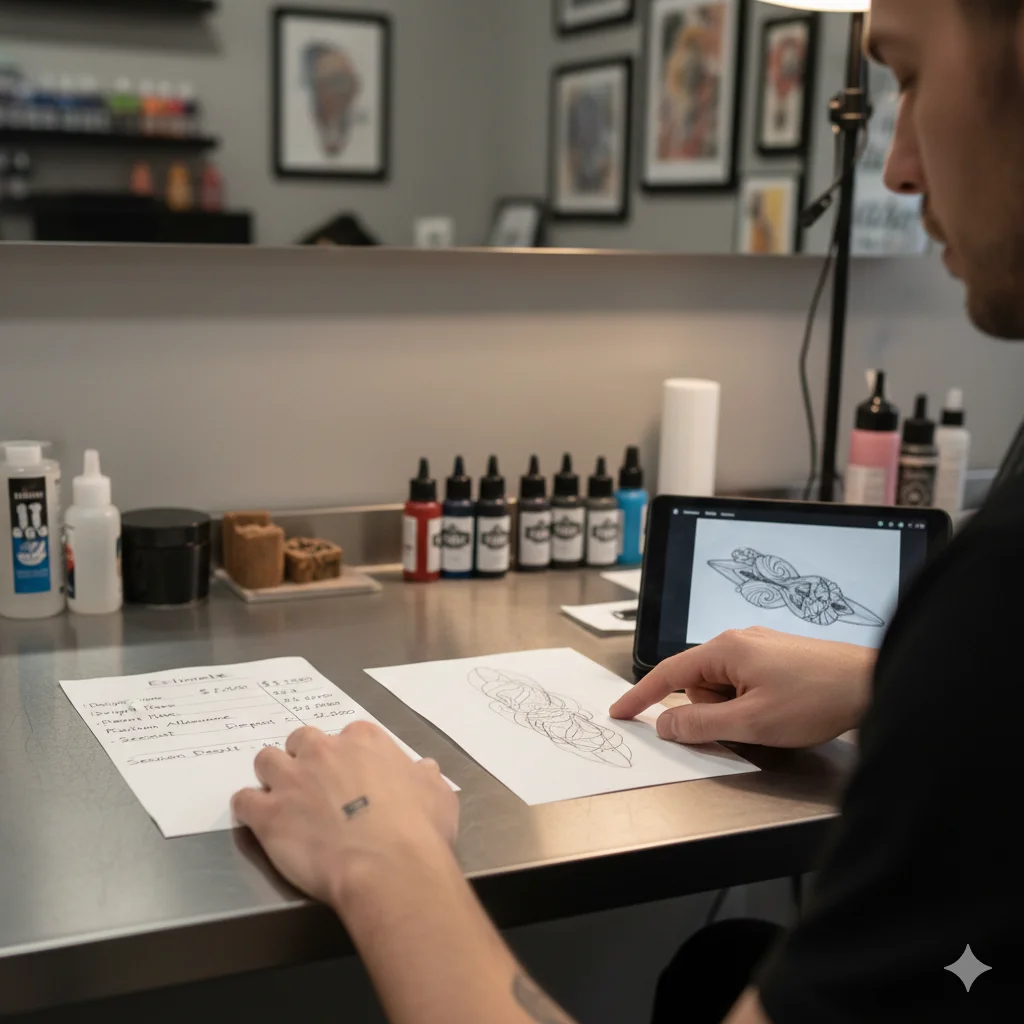
Custom design development adds to the total investment. When an artist creates original artwork specifically for you, you're paying for their creative time beyond the tattooing itself. Some artists charge separate design fees ($50 to $200), while others include it in the tattoo price.
Size and coverage area directly correlate with time and materials. A tattoo covering your entire forearm requires exponentially more work than a quarter-sized piece. Larger pieces also need more ink, more needle changes, and greater physical endurance from both artist and client.
Placement difficulty affects pricing because some body areas are harder to tattoo. Ribs, feet, hands, and areas with thin skin or bone proximity cause more pain, requiring frequent breaks. Curved surfaces like shoulders or areas with loose skin demand greater technical skill.
Artist reputation and demand create premium pricing. Artists with strong portfolios, social media followings, or specialized styles can charge more because clients seek them specifically. A six-month waitlist indicates high demand that supports higher rates.
Touch-ups and corrections might be needed if you choose the absolute cheapest option. Poor line work, uneven shading, or ink that doesn't hold properly requires additional sessions to fix. Quality work from the start eliminates these extra costs.
Where to Find Affordable Quality Tattoos
Finding budget-friendly tattoos without compromising safety or quality requires knowing where to look and what questions to ask.
Reputable shop apprentices offer the best value-to-quality ratio. Established tattoo shops with formal apprenticeship programs train new artists under strict supervision. These apprentices use professional equipment, follow proper sanitation, and work under experienced mentors. They charge reduced rates ($50 to $80 per hour) while building portfolios.
Walk-in days and flash events provide pre-designed tattoos at fixed, lower prices. Many shops designate specific days for walk-ins, offering a selection of small designs at discounted rates. Friday the 13th specials, holiday-themed flash, or charity events feature $50 to $100 tattoos with proceeds sometimes benefiting causes.
Newer artists building portfolios actively seek clients for specific design styles they want to showcase. Check Instagram for Brooklyn-based artists posting "looking for clients" with discounted rates for particular themes. They're motivated to deliver excellent work for portfolio photos and reviews.
Art school collaborations occasionally happen when tattoo artists partner with illustration or art programs. Students learning tattoo artistry under professional guidance sometimes offer reduced rates. These opportunities are less common but worth researching in areas with strong art education programs.
Off-peak appointments might come with flexibility on pricing. Booking weekday mornings or early afternoons when shops are slower sometimes opens negotiation room, especially for small pieces. Artists prefer consistent bookings over empty time slots.
Shop social media promotions announce special pricing regularly. Follow Brooklyn tattoo shops on Instagram and Facebook for flash sales, last-minute availability, or promotional pricing. Shops use these to fill cancellations or drive traffic during slow periods.
Tattoo conventions and expos bring multiple artists together, sometimes offering convention-special pricing. Artists want to stay busy during multi-day events and may offer smaller pieces at reduced rates between larger appointments. You'll see diverse styles and can compare pricing directly.
Red Flags: When Cheap Is Too Cheap
Extremely low prices often signal serious problems that risk your health, safety, and the quality of permanent artwork on your body.
Unlicensed home tattooers advertising on social media at drastically low prices ($20 to $30) operate without health department oversight. They skip required sanitation protocols, use questionable equipment, and have no accountability for infections or poor work. The risk of bloodborne pathogens, scarring, or botched tattoos isn't worth the savings.
Reused or questionable equipment is a major health hazard. Professional shops use single-use needles, disposable tubes, and autoclave sterilization for reusable equipment. If you don't see sealed needle packages opened in front of you or proper sterilization equipment, leave immediately.
No portfolio or references suggests inexperience or poor-quality work. Legitimate artists, even apprentices, have photos of healed tattoos they've completed. If someone can't show you previous work or provide client references, they're not ready to tattoo you.
Pressure tactics or rushed decisions indicate unprofessional operations. Quality artists want you to be certain about your design and placement. Anyone pushing you to decide immediately or discouraging questions prioritizes their profit over your satisfaction.
Unsanitary shop conditions are non-negotiable dealbreakers. Professional tattoo shops maintain clean workspaces, use barrier film on surfaces, wear gloves, and follow health codes. Dirty floors, cluttered stations, or casual hygiene practices signal dangerous shortcuts elsewhere.
No consultation or design discussion means the artist doesn't care about the final result. Even for small, simple tattoos, professionals discuss placement, sizing, and design details. Someone who won't spend 10 minutes talking through your tattoo won't spend care executing it.
Unwillingness to answer health and safety questions is a massive red flag. Professional artists welcome questions about sterilization, licensing, aftercare, and their process. Defensiveness or evasion suggests they're hiding problematic practices.
How to Save Money Without Sacrificing Quality
Strategic choices let you reduce costs while maintaining professional standards and getting tattoos you'll love long-term.
Choose simpler designs that require less time and technical complexity. A clean, bold outline ages better than intricate details anyway. Minimalist designs with strong shapes and clear lines look intentional and timeless while taking less time to execute.
Start small and add later rather than trying to complete a large piece on a tight budget. A small, well-executed tattoo you can expand later beats a large, rushed piece done cheaply. Many people build sleeve or back pieces gradually over months or years.
Stick to black ink initially since it's faster to apply and less expensive than color work. Black ink also ages more predictably and requires less touch-up over time. You can always add color later if desired, treating it as a separate phase.
Select easy-to-tattoo placements like outer forearms, calves, or upper arms where skin is relatively flat and accessible. These areas work faster, hurt less, and heal more easily than ribs, feet, or hands. Faster work means lower costs.
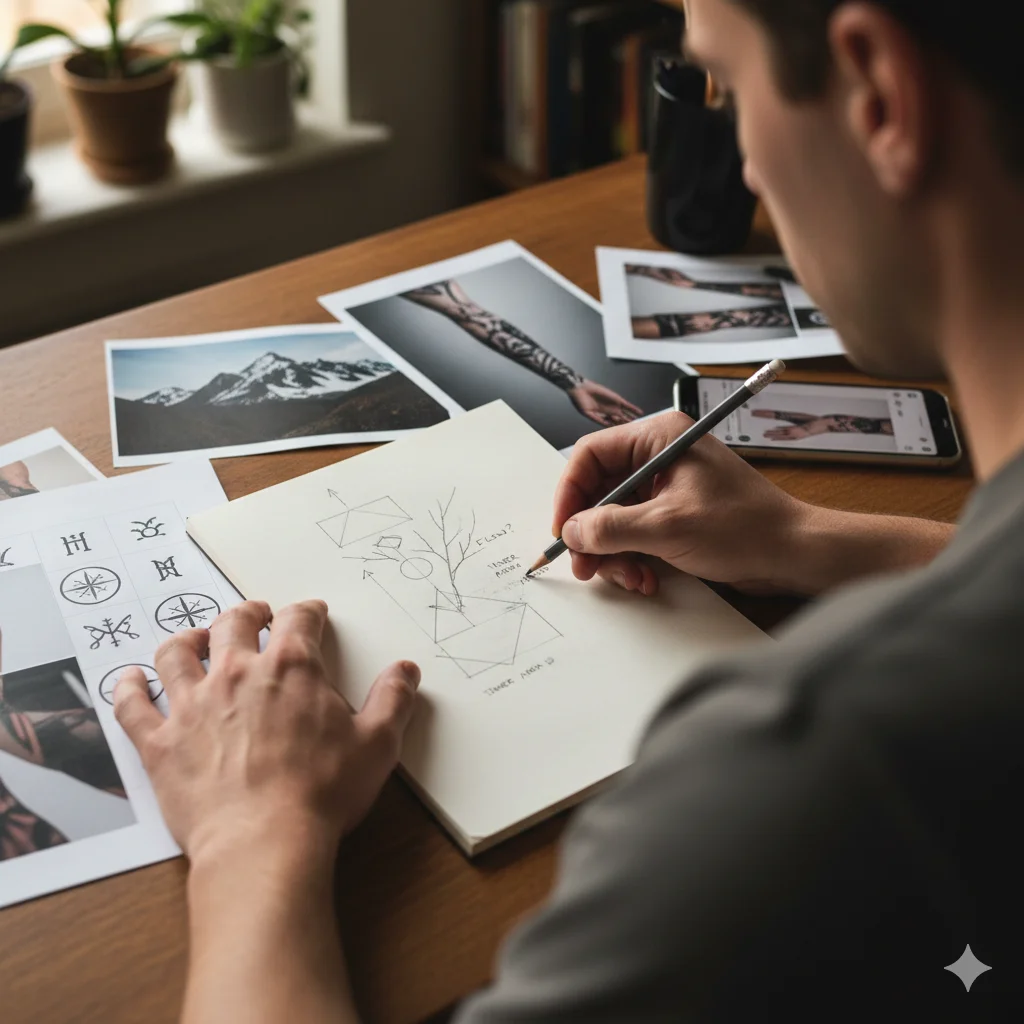
Bring reference images and clear ideas to minimize design consultation time. The more prepared you are with specific visual references, size preferences, and placement ideas, the less time your artist spends on back-and-forth revisions. Clear communication speeds the process.
Book with newer artists at established shops to get professional quality at apprentice rates. You're not compromising on safety, equipment, or sanitation—just working with someone earlier in their career who's motivated to build their reputation.
Consider flash designs over custom work since pre-drawn designs eliminate design time and are optimized for efficient execution. Many flash designs are beautiful, meaningful, and perfectly suited to your style. There's no shame in choosing existing artwork you love.
Ask about payment plans for larger pieces if you want something beyond the smallest options. Some artists allow deposits with remaining balance paid at the appointment, making slightly larger budgets more accessible without compromising on artist quality.
Follow artists on social media for promotions and last-minute availability. Artists sometimes offer discounted rates to fill cancellations or test new design styles. Being flexible and responsive to these opportunities can save 20% to 40%.
Working With Your Artist on Budget
Open, respectful communication about your budget helps artists find solutions that work for both of you while maintaining their professional standards.
Be upfront about your budget from the start when contacting artists or shops. Saying "I have $100 to spend—what's possible?" is far more productive than negotiating after design work is done. Most artists appreciate honesty and will tell you what they can do within that range.
Ask what they recommend for your budget rather than demanding a specific design at a specific price. Artists know what they can execute well in a given timeframe. They might suggest simplifying your idea, reducing size, or choosing a different placement to fit your budget.
Understand shop minimums are non-negotiable and represent the baseline cost of doing business. Asking an artist to go below their minimum devalues their time and expertise. If the minimum exceeds your budget, save longer or choose a shop with lower minimums.
Discuss design modifications that reduce time without compromising the concept. An artist might suggest removing intricate background details, simplifying shading, or adjusting size to make your vision budget-friendly. These conversations often lead to stronger, cleaner designs.
Respect the artist's pricing structure and avoid aggressive negotiating. Tattoo artists are skilled professionals, not flea market vendors. If their rates exceed your budget, thank them and find someone whose pricing aligns with what you can spend.
Ask about tipping expectations since tips are customary (15% to 20%) and should factor into your total budget. If you have $100 total, plan for an $80 to $85 tattoo to leave room for a tip. Artists remember clients who tip fairly and may offer future flexibility.
Consider building a relationship over time by starting with a small, affordable piece and returning for additions. Artists often give loyal clients slight breaks on pricing or priority booking. Repeat business builds trust and sometimes opens doors to flexible arrangements.
Bring exact payment in cash when possible, as some shops offer small discounts for cash payments that avoid credit card processing fees. This isn't universal, but it's worth asking when booking.
Design Ideas for Budget-Friendly Tattoos
Certain design styles and concepts work exceptionally well within tight budgets while still delivering meaningful, attractive tattoos.
Minimalist line art creates elegant, modern tattoos with single continuous lines or simple geometric shapes. Small mountain ranges, wave outlines, constellation patterns, or abstract shapes take minimal time and age beautifully. The simplicity is the aesthetic.
Small symbolic icons carry personal meaning without complexity. Tiny hearts, infinity symbols, arrows, anchors, keys, or compass points work perfectly at small scales. These classic symbols are timeless and work in almost any placement.
Coordinates or dates in simple numeric fonts commemorate meaningful locations or moments. Latitude/longitude coordinates of where you met someone, a birthdate, or anniversary date in clean numbers creates personal significance with minimal artistic complexity.
Single words or short phrases in basic fonts express values, mantras, or names. Choose fonts without elaborate flourishes—clean sans-serif or simple script. Keep it to one or two words maximum to stay within budget constraints.
Small botanical elements like single leaves, simple flower outlines, or minimalist plant stems offer natural beauty without intensive detail. A small fern frond, olive branch, or lavender sprig works beautifully in black line work.
Tiny animal silhouettes capture the essence of meaningful creatures in simple outlines. Small bird silhouettes, cat outlines, whale shapes, or butterfly profiles work at small scales without requiring detailed shading or color.
Astrological or celestial symbols like zodiac glyphs, moon phases, or simple star patterns connect to personal identity or beliefs. These symbols are inherently simple and designed to work at small sizes.
Matching or complementary tattoos with friends can sometimes get group discounts if multiple people book the same design simultaneously. Artists can work more efficiently when repeating the same design, and some offer reduced per-person rates for groups.
Aftercare: Protecting Your Investment
Proper aftercare ensures your budget-friendly tattoo heals well and looks great for years, protecting the money you spent.
Follow your artist's specific instructions exactly as given, since different artists have preferred aftercare protocols based on their technique and experience. Don't substitute internet advice for your artist's direct guidance—they know how their work heals best.
Keep it clean and moisturized using fragrance-free, gentle products. Wash 2-3 times daily with antibacterial soap, pat dry, and apply a thin layer of unscented lotion or specialized tattoo balm. Over-moisturizing is as problematic as under-moisturizing.
Avoid sun exposure during healing and use SPF 30+ sunscreen once healed. Sun damage fades tattoos faster than anything else. A $5 tube of sunscreen protects your $100 investment for years. UV exposure breaks down ink particles and dulls colors.
Don't pick or scratch healing skin no matter how itchy it gets. Peeling and scabbing are normal—removing scabs prematurely pulls out ink and creates patchy spots requiring touch-ups. Let everything fall off naturally.
Skip swimming and soaking for 2-3 weeks while the tattoo heals. Pools, hot tubs, lakes, and baths introduce bacteria and oversaturate healing skin. Quick showers are fine, but don't submerge fresh tattoos.
Wear loose, clean clothing over the tattooed area to prevent friction and irritation. Tight clothes rubbing against healing tattoos can damage the skin and affect ink retention. Natural, breathable fabrics work best.
Watch for infection signs like excessive redness, swelling, pus, or fever. Minor redness and tenderness are normal for a few days, but worsening symptoms need medical attention. Infections are rare with proper care but require prompt treatment.
Schedule touch-ups if needed once fully healed (6-8 weeks minimum). Some ink loss during healing is normal, especially in areas with thin skin or high friction. Many artists include one free touch-up session—ask about this policy when booking.
Long-Term Value vs. Initial Cost
The cheapest tattoo isn't always the best value when you consider longevity, satisfaction, and potential correction costs.
Quality work lasts decades with proper care, while poor work needs covering or removing within years. A $150 tattoo from a skilled artist that you love for 30 years costs $5 per year. A $50 tattoo you regret in two years and spend $300 removing costs far more.
Cover-ups cost more than original tattoos because they require larger sizes, more ink density, and greater artistic skill to hide previous work. Artists charge premium rates for cover-ups since they're technically challenging. Avoiding this scenario by choosing quality initially saves money.
Laser removal is expensive and painful, typically costing $200 to $500 per session with 5-10 sessions needed for complete removal. That $50 tattoo could cost $2,000 to remove. Prevention through careful initial choices is far cheaper than correction.
Well-executed simple designs age better than complex work done poorly. Clean lines, proper depth, and quality ink hold up over time. Cheap tattoos often use lower-quality ink, inconsistent depth, or shaky lines that blur and fade prematurely.
Emotional value compounds over time when you love your tattoo. The confidence and joy from a meaningful, well-done tattoo far exceeds the initial cost difference between cheap and quality work. Regret, conversely, compounds negatively.
Professional relationships matter for future work. Starting with a quality artist, even for a small budget piece, builds a relationship for future tattoos. They'll remember you, understand your style preferences, and potentially offer loyalty considerations.
Health risks from cheap work can create medical costs far exceeding any savings. Infections, allergic reactions to low-quality ink, or scarring from improper technique require medical treatment. Professional work minimizes these risks substantially.
Conclusion
The cheapest tattoos you can get—typically $50 to $100 for small, simple designs—offer legitimate entry points into tattooing when you choose wisely. Shop minimums, apprentice rates, flash designs, and walk-in specials provide budget-friendly options without compromising safety or basic quality. The key is understanding what drives costs, recognizing red flags, and working collaboratively with professional artists who respect both their craft and your budget.
Smart choices about design complexity, placement, and artist selection let you get meaningful ink that fits your financial reality. Minimalist line work, small symbols, simple text, and flash designs deliver beautiful results within tight budgets when executed by trained artists in licensed shops. The difference between affordable and dangerously cheap lies in professional standards, not price alone.
At Here Tattoo in Brooklyn, we believe everyone deserves access to quality tattooing regardless of budget. Our experienced team works with clients to find design solutions that honor both your vision and your financial constraints, ensuring every piece—whether $75 or $750—receives the same professional care, sanitation standards, and artistic attention. Ready to explore what's possible for your budget? Book a consultation with Here Tattoo today and let's create something meaningful together that you'll love for decades, not regret in months.
Frequently Asked Questions
How much should I tip on a $50 tattoo?
Tip 15% to 20% ($8 to $10 on a $50 tattoo) as you would for any service professional. If your artist went above expectations or you're planning to return, tipping 20% or more builds goodwill. Factor tipping into your total budget when planning.
Can I negotiate tattoo prices with artists?
Negotiating below established rates is generally inappropriate and disrespectful to the artist's expertise. However, you can ask what's possible within your budget and let the artist suggest design modifications. Honest budget discussions differ from haggling over set prices.
Are walk-in tattoos cheaper than appointments?
Walk-in pricing varies by shop—some offer discounted flash designs for walk-ins, while others charge standard rates. Flash events and walk-in days specifically advertise reduced pricing, but regular walk-in availability doesn't automatically mean lower costs. Always ask about pricing before committing.
How small is too small for a tattoo?
Most artists recommend nothing smaller than a dime (about 0.5 inches) because tiny details blur together as ink spreads slightly over time. "Micro tattoos" under a quarter-inch often don't age well. Discuss minimum size recommendations with your artist based on design complexity.
Do color tattoos always cost more than black ink?
Yes, color work almost always costs more because it requires additional time for multiple ink applications, color blending, and greater technical precision. Each color needs separate needle setups and careful application. Black ink is faster and therefore less expensive.
What's the difference between shop minimum and hourly rate?
Shop minimums are the baseline charge regardless of time (usually $50 to $150), covering setup, sterilization, and basic materials. Hourly rates ($100 to $250+) apply to larger pieces exceeding the time covered by the minimum. Small tattoos typically hit the minimum rather than hourly charges.
Are apprentice tattoos safe if they're cheaper?
Apprentice tattoos at legitimate, licensed shops are safe because apprentices work under supervision, use professional equipment, and follow the same sanitation protocols as experienced artists. They're building skills and portfolios, not cutting safety corners. Avoid unlicensed "apprentices" working from homes.